Tag: politics

  • Jamz Blog: Latin-X Month!

    Jamz Blog: Latin-X Month!

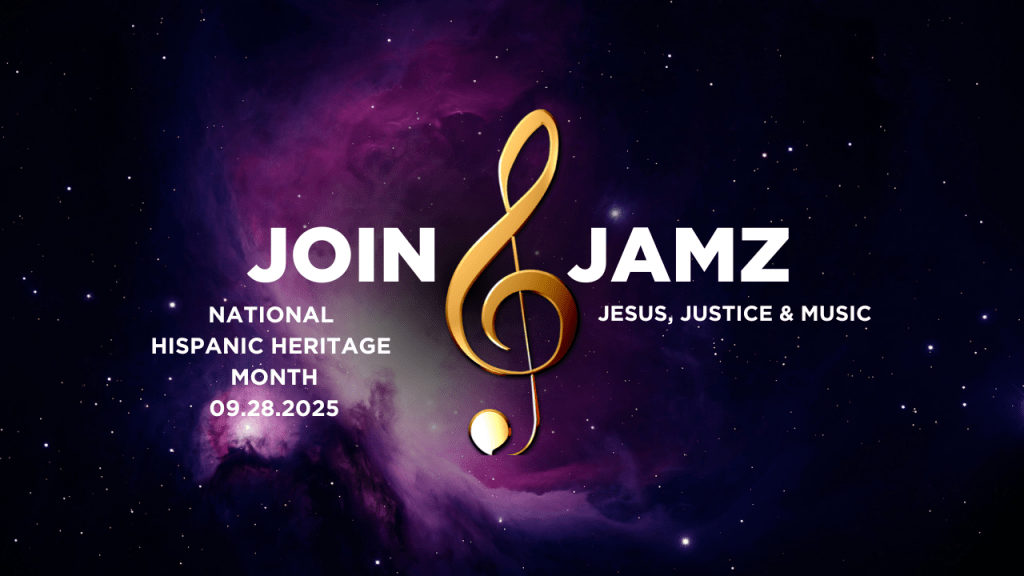
    National Hispanic Heritage Month: Honoring History and Navigating Immigration Issues

    Each autumn, as the days grow shorter and the air fills with the scent of falling leaves, the United States pauses to celebrate National Hispanic Heritage Month. From September 15 to October 15, Americans come together to honor the rich cultures, histories, and contributions of Hispanic and Latinx peoples. This month of recognition is more than a festivity; it is an invitation to reflect on the complex tapestry of immigration, identity, and resilience that has shaped the nation for centuries.

    National Hispanic Heritage Month’s roots trace back to 1968, when President Lyndon B. Johnson first proclaimed Hispanic Heritage Week. During a time of social upheaval and civil rights activism, the recognition sought to honor the vital role that Americans of Hispanic descent have played in shaping the United States. In 1988, President Ronald Reagan expanded the celebration to a month, recognizing the growing diversity and influence of Hispanic communities. The chosen dates—September 15 to October 15—are significant: several Latin American nations, including Costa Rica, El Salvador, Guatemala, Honduras, and Nicaragua, celebrate their independence days on or near September 15, with Mexico and Chile following on September 16 and September 18, respectively.

    The terms “Hispanic” and “Latinx” encompass a vast and diverse group of people whose ancestry stretches across continents and centuries. While “Hispanic” generally refers to people from Spanish-speaking countries, “Latinx” is a more inclusive term, acknowledging those from Latin America regardless of language, as well as people who do not identify within the gender binary. The communities highlighted during Hispanic Heritage Month include Mexican Americans, Puerto Ricans, Cuban Americans, Salvadoran Americans, Dominican Americans, and many more. Their stories reflect both shared struggles and unique cultural legacies.

    Hispanic and Latinx Americans have left an indelible mark on the nation’s story. From the earliest Spanish explorers who mapped the American Southwest to the vibrant influence of Latin American music, food, literature, and art, their contributions have enriched every facet of American life. Figures such as labor leader César Chávez, Supreme Court Justice Sonia Sotomayor, author Sandra Cisneros, and astronaut Ellen Ochoa embody the ingenuity and resilience that define the Hispanic American experience.

    Communities across the country celebrate Hispanic Heritage Month with parades, concerts, art exhibits, and educational events. These activities celebrate not only the past, but also the dynamic, evolving identities of Hispanic and Latinx Americans. The month is a moment to recognize the sacrifices and achievements that have paved the way for future generations.

    The story of Hispanic and Latinx immigration is deeply intertwined with the nation’s evolution. Long before the United States existed, Spanish explorers and settlers had established missions and communities from Florida to California. The Treaty of Guadalupe Hidalgo in 1848, which ended the Mexican-American War, incorporated vast swaths of territory—and the people living on it—into the United States. Thus, many Mexican Americans in the Southwest are descendants of families who have lived in the region for generations, predating the current U.S. borders.

    Throughout the 20th and 21st centuries, waves of immigrants from Mexico, Central America, the Caribbean, and South America have sought new opportunities and safety in the U.S. Economic hardship, political turmoil, war, and natural disasters have driven millions to cross borders in search of a better life. The Bracero Program (1942-1964), which brought millions of Mexican laborers to work in American agriculture, is one example of how immigration policies have shaped and been shaped by economic needs.

    Changing Policies and Their Human Impact

    Immigration policy has long been a source of national debate and political contention. Laws such as the Immigration and Nationality Act of 1965, the Immigration Reform and Control Act of 1986, and more recent executive actions have reflected changing attitudes toward immigrants and the realities of a globalized world. While some policies have opened doors, others have set up barriers—physically and metaphorically.

    For many, the immigration journey is fraught with peril. Families risk separation; individuals face detention or deportation. The situation at the U.S.-Mexico border, in particular, has drawn international attention and sparked emotional debate. Dreamers—young immigrants protected under the Deferred Action for Childhood Arrivals (DACA) program—have become symbols of hope and uncertainty, their futures tied to shifting legal and political winds.

    Join us at Jesus & Justice on Sunday September 28th, 2025 at the Go-Comedy Club to tune in and listen to our guest speakers discuss the anti-immigration activities happening in Detroit Michigan.

    Happy Hour is at 4pm!

    Location: Go Comedy Club

    261 East 9 Mile Road, Ferndale, MI 48220
  • The Jamz – Pride News

    The Jamz – Pride News

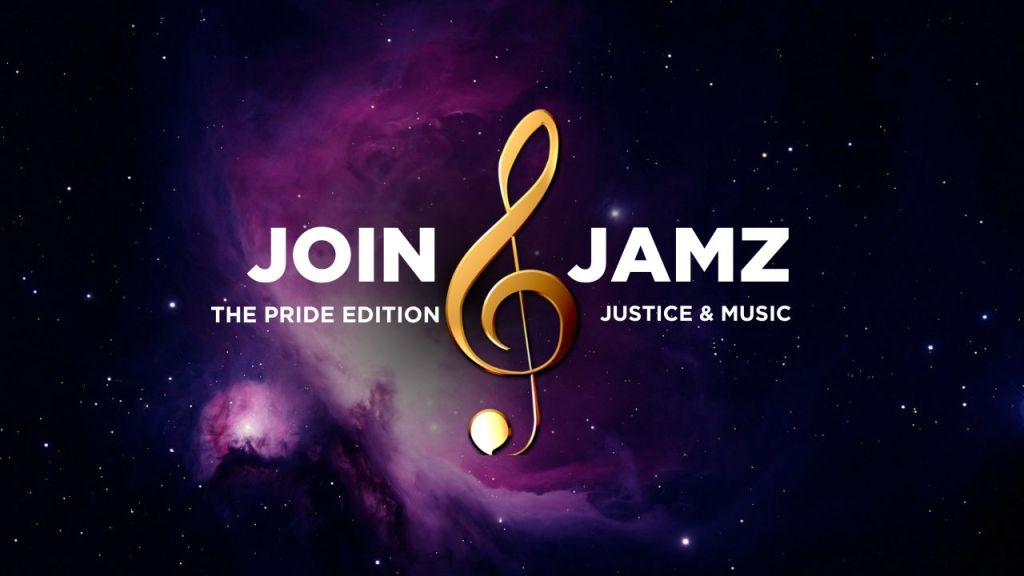
    The State of the Queer Community

    Throughout July, Ferver has been celebrating the LGBTQ+ community, affectionately known as the Pride Community. Learning about our couples and their personal stories is an important exercise in normalizing love. A practice that fills my heart. And, though it is important to bring these stories to light, I feel equally burdened to raise awareness for this special community.

    To provide context: the LGBTQ community accounts for nearly 10% of the American population. That’s roughly 36 million Americans. Interestingly, HRC has released new data suggesting that Millennials and Gen-Z individuals are more open about their sexuality. FINALLY. A generation that can be authentic, transparent and live their truth.

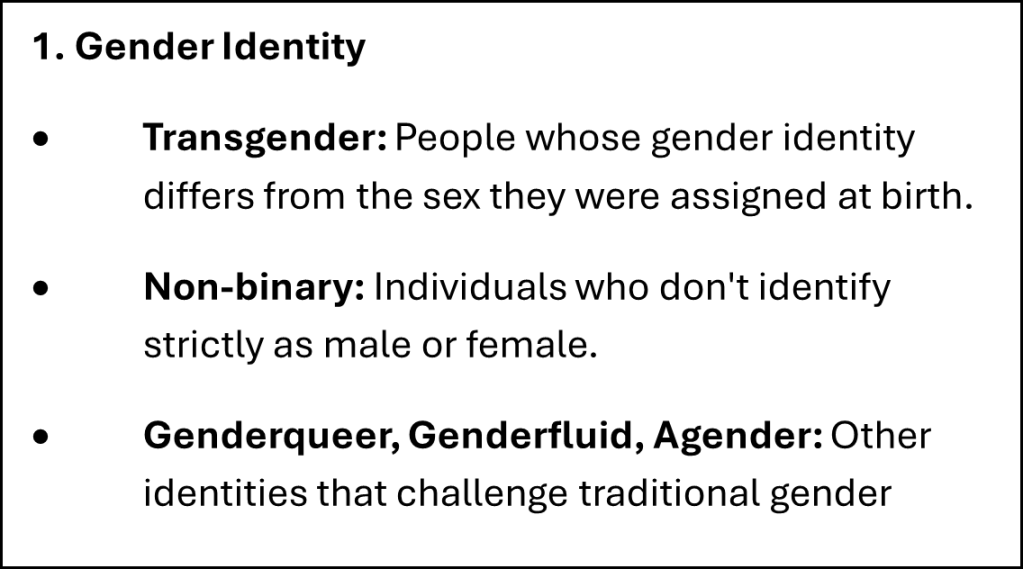
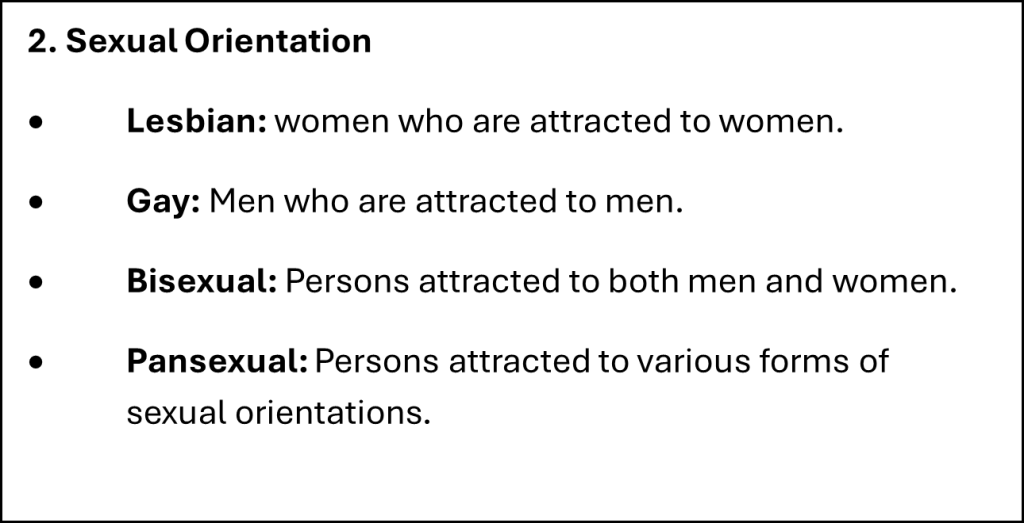
    For many in the cisgender community, there is ongoing confusion surrounding our LGBTQ+ identities. Below is a brief outline of gender identity and sexual orientation:

    Bullying and Harassment

    As an African American mother of two, I remember when my daughter was bullied and harassed in high school. I feared for her safety, relationships and academics on a daily basis. After reporting this harassment to the school administration, the Principal met with all parties involved, including parents, and the behavior was quashed, thankfully.

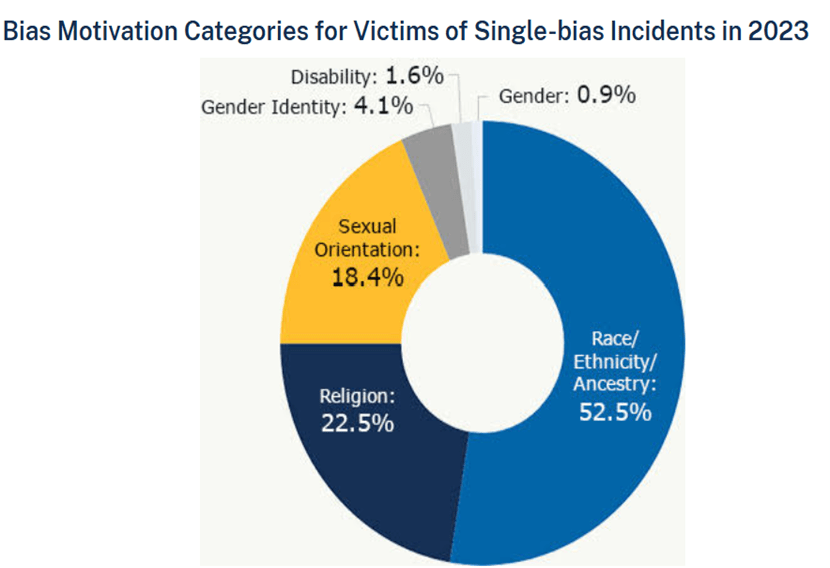
    Hate is real. It can drive people to take actions with severe implications for the victim. My daughter was blessed, as she had my help to advocate for her safety. However, many from the LGBTQ+ community are openly bullied and harassed without constraint, as reflected in the following data:

    FBI Data (2023-a):

    The FBI’s Annual Crime in the Nation report (released September 2024) shows an increase in reported hate crimes against gay, lesbian, bisexual, and transgender individuals in 2023.

    FBI Data (2023-b):

    • Incidents related to sexual orientation bias: 2,296
    • Incidents related to gender identity bias: 542
    • Hate crimes against transgender individuals: 16% increase
    • Hate crimes against gay men: 5% increase to 1,131 incidents

    (Such staggering statistics deserve a second read. Please take a moment to allow these figures to really sink in.)

    We’re Shining a Spotlight…

    On the pain and burden of historically marginalized communities. On the need to tune-in and double-down on nefarious activities. On curbing the commonality of these unacceptable practices. This is especially urgent as the 47th administration has criminalized Diversity Equity and Inclusion initiatives. We have sadly entered a season where evil is blatant and turning a blind eye is rampant.

    This is not a time for complacency. It is time to be a voice for truth for all. My counsel to the LGBTQ+ community is this: Find a loving network of dependable friends. Seek out affirming churches or non-profits that offer social and spiritual networks to aid in the journey. The Evangelical Lutheran Churches of America with a Reconciled in Christ designation are your go-to congregations.

    From my heart, THANK YOU to Hope Lutheran Church (Farmington Hills) and Zion Lutheran Church (Ferndale).

  • The Jamz

    The Jamz

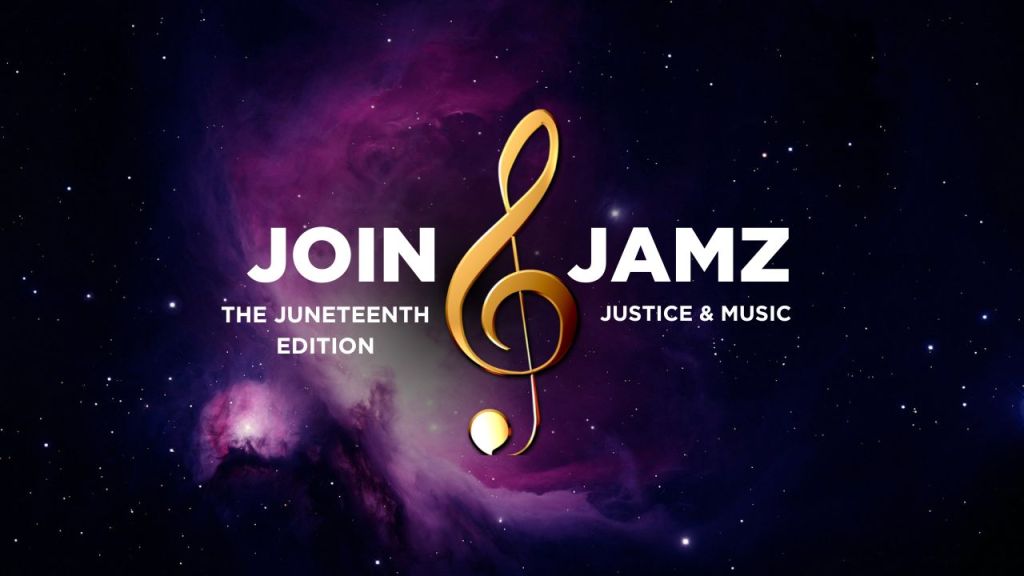
    Juneteenth: Yesterday & Tomorrow!

    On January 1st, 1863, President Abraham Lincoln signed the Emancipation Proclamation, thereby declaring freedom to 4 million Black slaves in America. Although the Civil War was hard fought, the collective power of the abolitionist movement achieved victory. On June 19th, 1865 (aka “Juneteenth”), despite the opposition of Southern slaveowners and capitalistic industrial influences, Major Gordon Granger rode into Galveston, Texas. With the power of the United States Army, Granger declared the words of the Emancipation Proclamation, freeing the last of the slaves. What a momentous day of liberation for the remaining slaves who walked into their freedom without pain and persecution of death!

    As the 160th Juneteenth celebration quickly approaches, the Black population represents 14% of Americans; nearly 48.3 million people. Though no longer held in slavery, they still bear the pain of white economic supremacy, as Black communities strive to overcome conditions that too often lead to poverty. This is especially evident when exploring various dimensions of Black American culture. Two studies, one from the Economic Policy Institute and the other from the National Alliance to End Homelessness, demonstrate the dangers of long-lasting passive-aggressive racism from the 1800s.

    PAUSE TO CONSIDER

    • Post-civil rights era legislation has largely failed to address widening racial disparities in wages, wealth and home ownership for Black Americans.
    • Over the past 50 years, the annual Black unemployment rate has often exceeded 10% whilst, even during the worst economic downturns, the annual white unemployment rate has never surpassed 10%.
    • The typical white family has eight times more wealth than the common Black family. This racial wealth gap is a long-standing vestige of centuries of government policies that explicitly denied African Americans the opportunity to build wealth. “Both poverty and income strongly correlate with race in the United States. Among all racial groups, Black Americans are second most likely to experience poverty, with 21% living below the poverty threshold, following Native Americans at 25%. Black Americans in particular have only ten cents for every dollar in wealth that white families have.”

    NOW JOIN THE CONVERSATION:

    On Sunday June 22nd, 2025, Ferver Music will host two special guests to discuss the Freedom Series of 2025:

    • Deputy Mayor Khalfani Stephens, City of Pontiac
    • Alicia Stephens, SVP Comerica Bank

    This dynamic duo will share their experiences in the city of Pontiac, discuss the power of education and building strong communities, and how to envision the future for a better Black America. Join the conversation and learn what the Allyship can do to help!

    Date: Sunday June 22nd, 2025

    Happy Hour Begins: 4:00pm 

    Solidarity Hour Begins: 4:30pm

    Location: Go Comedy Club, 261 E. 9 Mile Road, Ferndale, Michigan 48221

    Be sure to join our mailing list for the latest in Ferver Music news @ wwww.fervermusic.com